

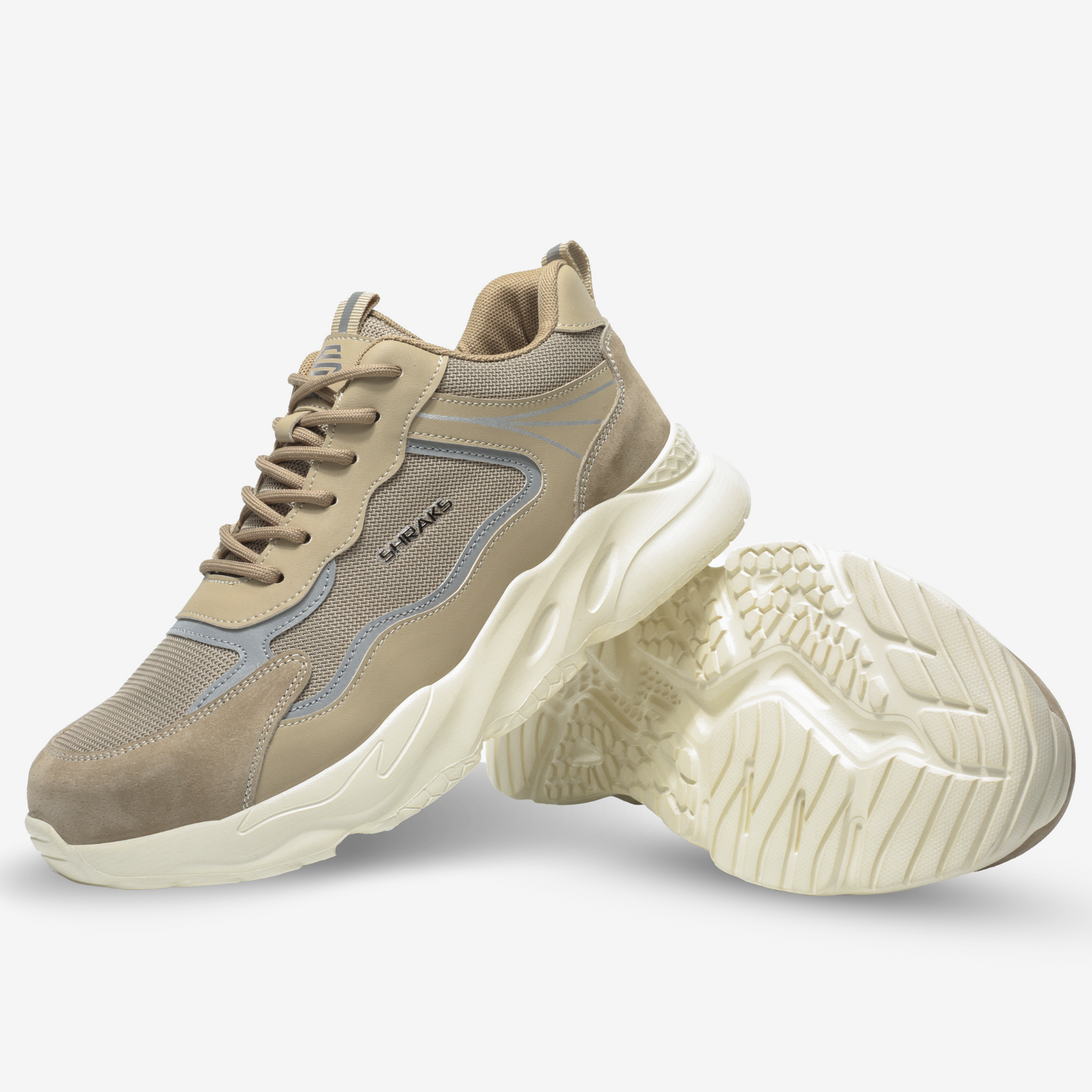
S3 safety shoes combine maximum protection with everyday comfort. If you work outdoors a lot, deal with moisture, dirt, edges or nails, and want a sporty look, this buying guide shows what really matters. You get clear criteria, a quick class comparison and practical tips on fit, materials and care. A compact overview is provided in Safety classes: S1, S1P, S2 and S3 explained.
S3 in practice: requirements and benefits
S3 is a protection class under EN ISO 20345 for demanding conditions, especially outdoors and on changing surfaces. You benefit from robust all-round protection without giving up light, sporty constructions.
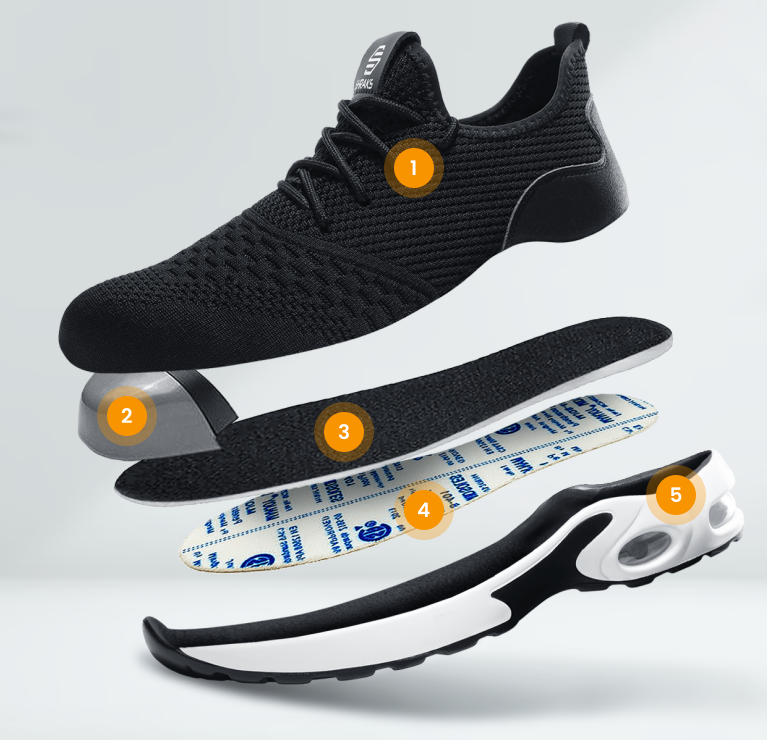
Mandatory components per EN ISO 20345
- Toe cap protection against impact and compression
- Closed heel area with energy absorption in the heel
- Antistatic properties
- Fuel oil-resistant outsole
- Puncture resistance in the midsole
- Additional protection against water penetration and absorption
This makes S3 shoes ideal for construction, trades, outdoor assembly, open-air logistics and any task where you face moisture, sharp edges and potentially pointed objects. Slip-resistance markings are also important — see Slip resistance: SRC, SRA, SRB – meaning of the markings — if you often work on smooth or wet floors.
S1P, S2 or S3 – which class fits your job?
The right class depends on your work environment. The overview below helps you quickly choose the appropriate protection level.
| Class | Core protection | Water | Puncture resistance | Typical uses |
|---|---|---|---|---|
| S1 | Toe cap, antistatic, heel energy, oil-resistant sole | No | No | Dry indoor areas, warehouses without nail risk |
| S1P | Like S1 | No | Yes | Indoors with nail risk, assembly halls |
| S2 | Like S1 | Yes | No | Damp indoor areas, occasional water contact |
| S3 | Like S2 | Yes | Yes | Construction, outdoors, uneven ground, rain |
New designation: S3L denotes S3 with lightweight textile puncture resistance. S3S stands for S3 with metallic puncture resistance. Textile inserts are often lighter and more flexible; metallic variants can have advantages with very sharp, point loads.
For concrete job and environment examples, see the table above.
Sporty comfort without safety compromise
Sporty S3 safety shoes aim for the feel of modern sneakers: low weight, good cushioning and breathable uppers. Look for midsoles with energy-absorbing foams, ergonomic lasts, soft padding around the collar and tongue constructions that avoid pressure points. Slip-resistant outsoles with a grippy tread ensure comfort and stability go hand in hand. More in the overview: Sporty work shoes – the ultimate guide.
Upper materials compared
Leather is durable and protects well against mechanical stress but needs care. Microfiber offers low weight and easy cleaning. Technical textiles are highly breathable and quick drying. For wet conditions, membranes or water-repellent uppers are sensible. Balance durability, climate comfort and weight.
Toe cap and puncture resistance
Toe caps come in steel, aluminum and composite. Steel is slim and affordable, aluminum saves weight, composite is metal-free, insulating and often lightest. For puncture resistance, choose between textile inserts and steel plates. Textile options are more flexible, lighter and cover a larger area. Steel provides high puncture resistance but can be stiffer. Choose based on ground risks and desired flexibility. If you’re specifically looking for sporty models with a toe cap: Sneakers with steel toe – buying guide.
Buying criteria step by step
- Work environment: Mostly outdoors, on sites, in wet zones or uneven terrain? Go S3. For dry indoors, S1P may suffice.
- Slip resistance: Aim for SRC if smooth tiles, metal ramps or wet surfaces are frequent.
- Water and climate management: For rain and splash, water-resistant uppers and membranes help. In summer, breathable zones boost comfort.
- Puncture resistance: Textile for flexibility and weight savings; metal for maximum puncture resistance in point loads.
- ESD: In electro-sensitive areas, ESD-capable S3 models are mandatory.
- Heat and cold: Pick extras like CI (cold insulation) or HRO (heat-resistant outsole) as needed.
- Fit and width: Try with work socks. Enough toe room, secure heel lock and proper width prevent pressure points.
- Cushioning and stability: A well-tuned midsole relieves knees and back. Torsional stability gives support on uneven ground.
- Shaft height: Low for mobility; mid or high for extra ankle protection and support on sites.
- Closure: Quick lacing or classic laces. The key is a secure hold that doesn’t loosen.
- Orthopedics: Look for DGUV 112-191 suitability if you use orthotic insoles.
- Weight and look: Sporty designs encourage daily wear. Lightweight models reduce fatigue on long shifts. More tips in Work shoes with a sneaker look – buying guide.
Care and service life
Remove dirt and moisture after work so materials and adhesives don’t age prematurely. Dry at room temperature, not on radiators. Waterproofing sprays support water resistance. Replace insoles regularly to maintain hygiene and cushioning. Check tread and puncture resistance periodically and replace shoes once protection or grip noticeably declines.
Shraks note: when S1P is enough
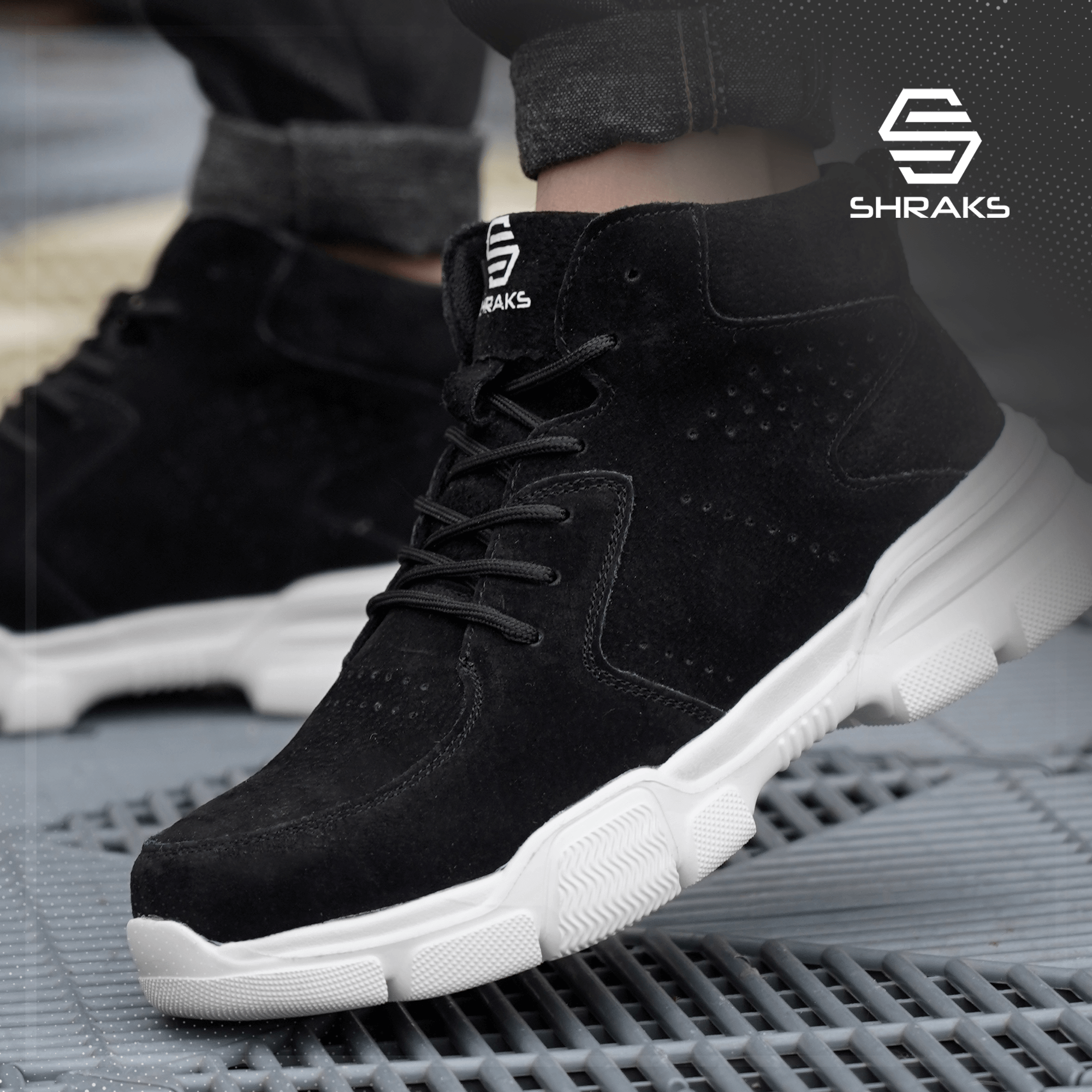
On shraks.de you’ll mainly find sporty safety shoes with S1P certification. They combine toe cap, puncture resistance, grip and a light, breathable build – ideal for dry indoors, workshops or assembly without constant wet conditions. If you regularly work outdoors or expect moisture and uneven ground, choose S3. Check your employer’s requirements to select the right class.
Browse sporty safety models: Sicherheitssneaker.
FAQ on sporty S3 safety shoes
Which work shoes for lots of walking?
Choose light, sporty S3 models with well-cushioned midsoles, grippy SRC outsoles and breathable uppers. An ergonomic last, soft padding and secure heel lock reduce fatigue. Textile puncture-resistant inserts further save weight and increase flexibility over long distances.
Which brand has the best work shoes?
The best choice depends on your feet, tasks and budget. Look for EN ISO 20345 certification, good fit, reliable slip resistance and suitable extras like ESD, CI or HRO. Try multiple lasts and sizes and prioritize comfort and function over brand names.
What’s better, S3 or S3L?
S3 is the protection class; S3L denotes S3 with textile puncture resistance. S3L is usually lighter and more flexible for greater comfort. If you need maximum puncture resistance against very sharp, point loads, S3S with metallic puncture resistance may be better. Your actual job risk is decisive.
When are S3 safety shoes suitable?
Whenever moisture, uneven ground and an increased risk from sharp or pointed objects are present. Typical: construction sites, outdoor assembly, agriculture, landscaping and open-air logistics. In dry indoor areas, S1P may suffice if no wet conditions are expected.

Leave a comment
This site is protected by hCaptcha and the hCaptcha Privacy Policy and Terms of Service apply.