

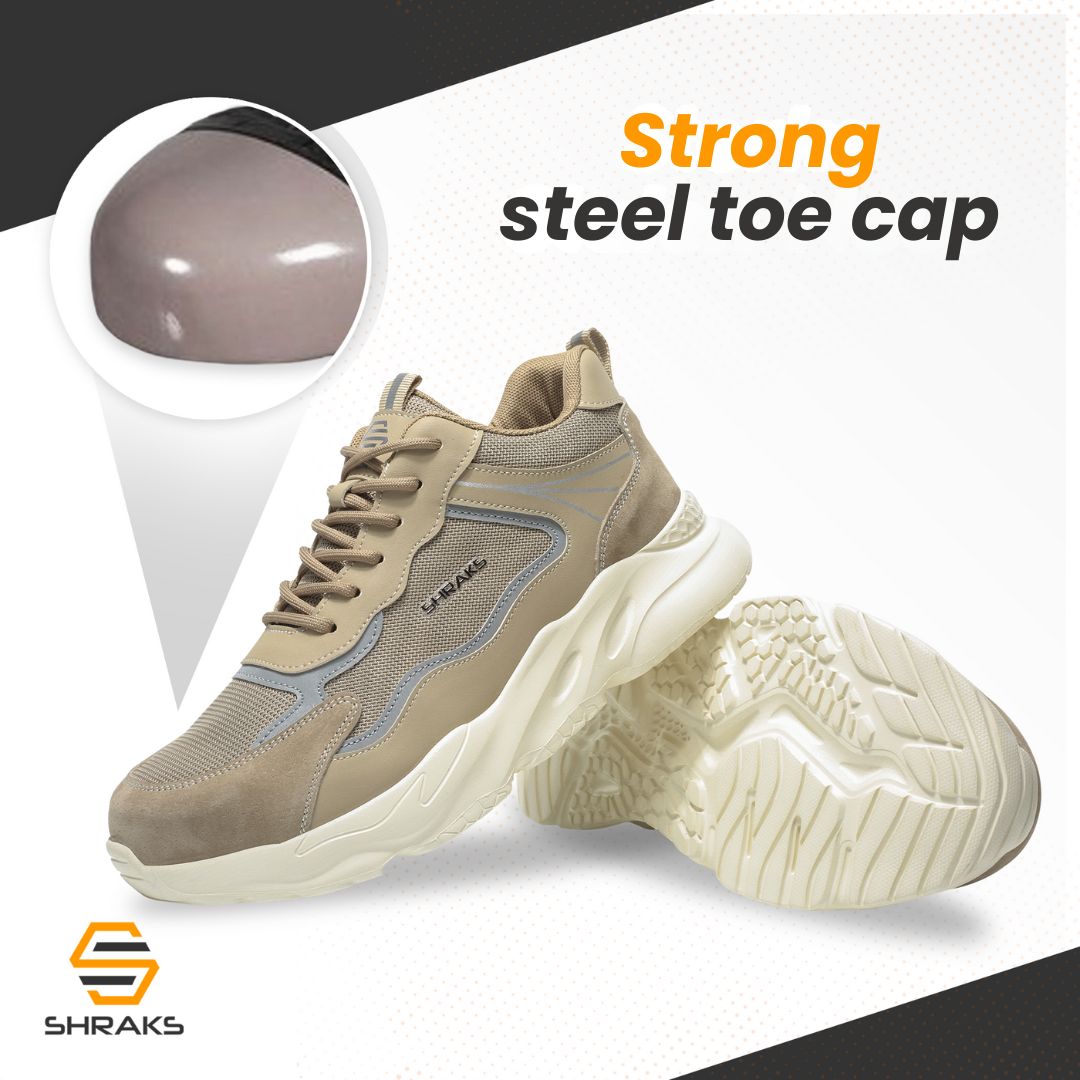
Want work shoes that protect like safety footwear and look like sports shoes? Steel-toe sneakers combine a robust toe cap with the comfort of modern sneakers. Whether in logistics, trades, care or hospitality: lightweight, breathable steel-toe sneakers provide grip, protection and a sporty look for women and men. Here’s a compact overview of benefits and typical use cases.
What are steel-toe sneakers?
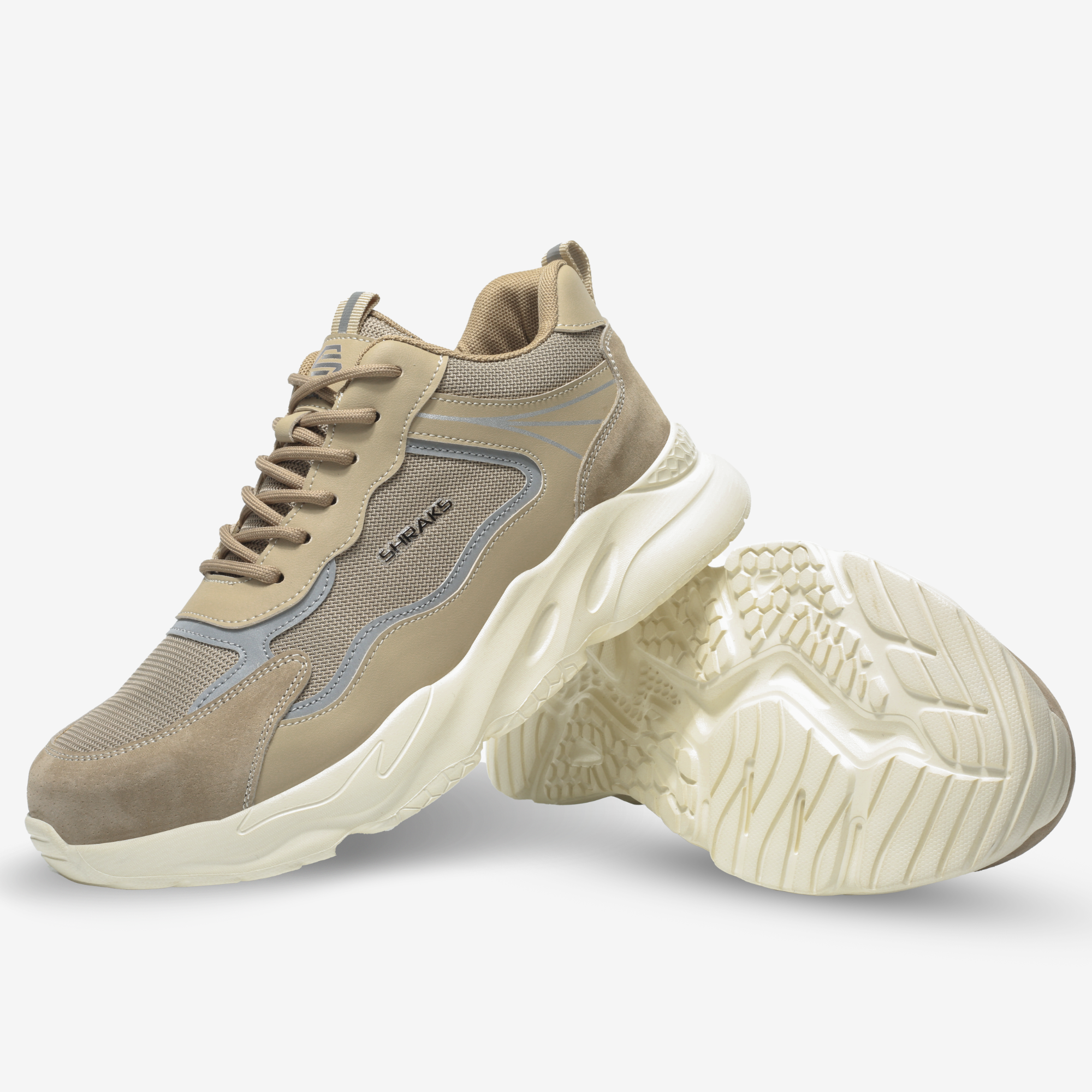
Steel-toe sneakers are safety shoes in a sneaker design. They feature a steel toe cap and often a puncture-resistant midsole, yet remain flexible, light and comfortable to wear. Off the job they look like sporty sneakers; on the job they meet EN ISO 20345 requirements. In short: sneakers with a steel toe that combine style and protection.
Safety standards at a glance
EN ISO 20345 defines minimum requirements for protection, slip resistance and comfort. Relevant classes for sneakers:
- SBP: Steel toe plus puncture protection.
- S1P: Like SBP, plus antistatic properties and heel energy absorption.
- S3: Water-repellent properties plus puncture protection and a profiled outsole for tougher tasks.
- Optional: ESD to dissipate electrostatic charges in sensitive areas.
At Shraks, all models are S1P certified to EN ISO 20345. Choose the class that matches your job and on-site hazards. Learn more in Sicherheitsklassen bei Stahlkappen-Sneakern: S1P vs. S3. For a deeper introduction, see S1P-Standard: Sicherheit, Komfort und Stil.
Comfort and materials
Good safety sneakers feel like performance running shoes with a protection bonus. Breathable uppers keep feet dry, cushioned EVA or PU midsoles ease long shifts and slip-resistant outsoles ensure secure footing on smooth floors. Flexible soles promote a natural roll-off; padded heels and removable insoles add everyday comfort. Care tips to keep your sneakers safe and good-looking are in Pflege & Reinigung von Stahlkappen-Sneakern.
Who are steel-toe sneakers for?
Steel-toe sneakers are ideal if you walk a lot and still need protection. In logistics and courier work they shine with low weight and grip. In hospitality and care, slip resistance and easy-to-clean uppers matter. In the trades they protect against impacts and sharp objects. For classic construction sites S3 can make sense; indoors S1P or SBP often suffice.
Buying guide in 5 steps
- Assess risks: Falling loads on toes, nails on the ground, slippery surfaces or ESD requirements?
- Choose the class: SBP or S1P for indoor use, S3 for wet, rough environments.
- Prioritize comfort: Check weight, breathability, cushioning and sole flexibility.
- Secure the fit: Women’s and men’s lasts, correct length/width, insole compatibility.
- Check features: Slip resistance, toe cap, puncture plate, ESD as required. Verify certification on the shoe.
A practical summary is in our Kaufberatung: Turnschuhe mit Stahlkappe. For the right fit, see Richtig messen: Größentipps für Stahlkappen-Sneaker.
Shraks models at a glance
Shraks Moon
Light, sporty and everyday-ready. Breathable upper, slip-resistant sole and steel toe. Ideal for active roles in dry indoor areas. S1P certified.
Shraks Venu
Comfort-focused sneaker with a flexible sole and pleasant cushioning. EN ISO 20345 protection, steel toe cap and puncture-resistant midsole in suitable variants.
Shraks Stride
Built for long shifts: lightweight feel, secure traction on smooth floors and robust materials. S1P certified.
Shraks Moda
Modern look meets safety. Sporty silhouette, good ventilation and reliable toe protection. Perfect if you want safety shoes that look like real sneakers.
FAQ
Which is better, steel toe or composite toe?
Steel is very robust, thin-walled and durable. Composite/plastic toes are lighter, metal-free and less conductive to cold. Choose steel for maximum toughness with a slim profile, or composite if weight, insulation or metal-free are priorities. See Stahlkappe vs. Kunststoffkappe for details.
Are safety shoes good for your feet?
Yes, if fit, cushioning and support are right. Ensure ample toe room, slip-resistant soles, breathable materials and a quality insole. Orthotic insoles and half sizes can help prevent pressure points.
Who pays for work safety footwear?
If safety shoes are mandated by a risk assessment, the employer usually covers the cost. Details depend on company agreements or collective bargaining. Care and replacement often follow internal policies.
Ready for safe, lightweight and stylish safety shoes? Explore steel-toe sneakers like Shraks Moon, Venu, Stride and Moda and find your perfect pair.


Leave a comment
This site is protected by hCaptcha and the hCaptcha Privacy Policy and Terms of Service apply.