

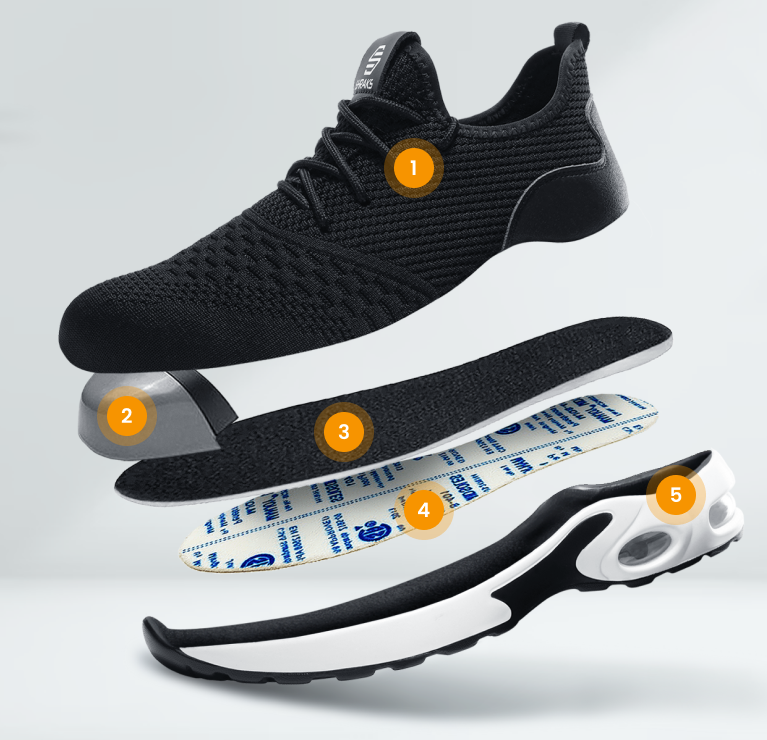
With the right steel toe sneaker care, you extend the life of your work shoes, preserve protective features, and boost comfort. Choosing the right model and materials already makes maintenance easier – see Steel toe sneakers: buying guide. For the best fit, also check How to measure: sizing tips for steel toe sneakers. Dirt, moisture and the wrong products can damage membranes, leather and seams. Here are clear, proven steps for cleaning, drying, waterproofing and odor control – including ESD notes and common no-gos.
Why regular work shoe care matters
Clean safety sneakers not only protect your feet, they also protect your investment. Dried dirt acts like sandpaper, weakens seams and reduces breathability. Moisture, oils and chemicals attack uppers, shorten lifespan and may impair safety features. Regular care keeps leather supple, textiles functional and rubber flexible. At the same time, you prevent odors, reduce pressure points from hardened areas and maintain the outsole’s slip resistance. More on ratings: Slip resistance (SRC, SRA, SRB) explained. In daily work this means fewer downtimes from wet or damaged shoes, more comfort on long shifts and consistently high safety.
Step-by-step cleaning for steel toe shoes
Use this routine to remove dirt gently and preserve protection:
- Prep: remove insoles and laces. Knock off dry dirt outdoors first.
- Dry clean: brush off dust and soil with a soft to medium brush. Use a narrow brush to clear tread grooves.
- Wet clean: use lukewarm water and a small amount of mild soap or shoe cleaner. A damp sponge is enough; avoid heavy scrubbing.
- Mind the material:
- Leather: wipe with a damp cloth. No harsh cleaners. Then work in a thin leather conditioner or wax to keep it supple and water-repellent.
- Textile/mesh: gently clean along the grain with a soft brush and a bit of cleaner, rinse well. No solvents.
- Rubber/TPU: wipe with mild cleaner. Avoid lubricants or oils that can swell rubber.
- Inside: wipe with a slightly damp cloth. Clean insoles separately with mild soap and let them dry fully.
- Rinse off: remove residues with a clean damp cloth so membranes and coatings don’t clog.
Tip: two gentle passes are better than one aggressive one. This prevents damage to seams, toe caps and coatings.
Drying right – before and after cleaning
Moisture promotes odors, mold and material failure. Dry your shoes in a well-ventilated place at room temperature. Loosely stuff with absorbent paper and change as needed. No oven, heaters or direct sun – high heat cracks leather and ages glue. If needed, use a low-heat boot dryer. Ideally rotate two pairs of safety shoes so each can dry completely. Learn more: Two pairs of safety shoes: why rotation extends lifespan.
ESD and antistatic safety shoes: key points
To maintain the conductivity of antistatic or ESD sneakers, avoid changes that affect electrical resistance. Use only approved insoles, don’t modify components, and keep interiors clean and dry. Always follow the manufacturer’s guidance, clean gently and remove residues thoroughly. If ESD values change noticeably or you see damage to outsole or lining, replacement is the safe choice.
Waterproofing: build protection against wet and dirt
Appropriate waterproofing repels water and dirt without blocking breathability. Clean first and let shoes dry completely. Choose a spray suited to the material – leather, textile or membrane footwear. Spray evenly from about 20–30 cm without soaking. Two thin coats beat one thick one. Let shoes air out before wearing. Reapply more frequently with regular wet or dirty exposure.
Preventing and removing odors
Odors arise when moisture stays trapped inside. Air out safety sneakers daily, remove insoles and dry them separately. Moisture-wicking socks are an easy win. In warm environments, breathable safety shoes support moisture management. Use shoe deodorizers or antibacterial sprays if needed – ensure residues dry fully. For persistent odors, gently clean interiors, check insoles and replace when worn.
Storage and everyday tips
Store work shoes dry and airy – ideally in a cotton bag or box, not plastic. A shoe tree keeps shape and aids drying. Remove heavy dirt before storing so it doesn’t bite into materials. To maximize lifespan, rotate between two pairs, especially in wet or heavily soiled conditions.
Common mistakes in steel toe sneaker care
- Using a washer or dryer – heat and spin break down glue, damage membranes and can corrode metal parts.
- Using abrasive or solvent-based cleaners – they roughen surfaces and destroy coatings.
- Direct heat for drying – leather cracks, glue hardens.
- Unsuitable insoles in ESD shoes – conductivity can be lost.
- DIY modifications – any change can undermine safety standards.
FAQ about steel toe sneaker care
How do you clean steel toe shoes?
Brush off loose dirt dry, then clean with lukewarm water and mild cleaner. Mind the material: gently wipe and condition leather, brush textile carefully and rinse well. Wipe interiors with a damp cloth, clean insoles separately. Then fully air-dry at room temperature and waterproof if needed.
Can you wash steel toe shoes?
A washing machine is not recommended. Spinning and heat stress seams, glue and membranes, and metal parts may corrode. Hand cleaning with mild cleaner is the safe alternative. Air-dry slowly and protect with suitable waterproofing afterward.
How do I care for safety shoes properly?
Clean regularly, care according to material, dry fully and waterproof. Keep tread clean for reliable slip resistance. Replace worn insoles in time, rotate two pairs and avoid direct heat. For ESD shoes, use only approved components and follow manufacturer guidance.
What can a steel toe cap withstand?
Steel toe caps in safety shoes per EN ISO 20345 are typically tested to 200 J impact energy and 15 kN compression. This protects toes from falling objects and pressure. Actual protection depends on the shoe’s overall construction. Always check markings and manufacturer notes.
When should I replace safety sneakers?
At the latest when uppers crack, seams come loose, toe caps are damaged, soles are badly worn, or cushioning/support fade. For ESD shoes also if readings are off or there’s visible sole-unit damage. Safety first – replace sooner rather than later. Details here: How often to replace work boots? Guide. If it’s time, explore safety sneakers: easy-care models.

Leave a comment
This site is protected by hCaptcha and the hCaptcha Privacy Policy and Terms of Service apply.