

Comfortable work shoes determine how fit you still feel after eight hours on your feet. When cushioning, fit, breathability and safety features align, you prevent foot, knee and back pain and stay productive. Whether for women or men, as lightweight, comfortable safety shoes with a steel toe or as waterproof models for outdoors – here you’ll find clear criteria, practical tips and quick guidance on standards like S1P and S3. Shraks blends the comfort of modern sneakers with certified safety under EN ISO 20345, so you can trust every step.
What really makes work shoes comfortable?
Comfort starts with fit. Your work shoe should be snug at the midfoot, lock the heel without slipping and offer enough toe room in the forefoot. Lasts that are too narrow or hard seams cause pressure points – especially on long shifts. Look for softly padded collars and a tongue that spreads pressure evenly. How to find the right size and fit is explained here.
Cushioning is your daily shock absorber. A well-tuned midsole eases each step, reduces fatigue and protects joints. At the same time, forefoot flex zones keep your stride natural. Too stiff is uncomfortable, too soft feels unstable – balance is key.
Breathable uppers like mesh or textile composites keep feet dry, especially in warm settings. In the heat, breathable safety shoes offer maximum comfort. For year-round use, weight also matters. Lightweight, comfortable work shoes feel more dynamic and cost less energy with every step.
Practical: a removable footbed allows fine-tuning. With Shraks orthopedic insoles you add support for longitudinal and transverse arches or compensate foot asymmetries. Result: noticeably more hold, fewer hotspots, more comfort – even in steel-toe safety shoes.
Safety classes made simple: S1, S1P, S2, S3
Safety shoes certified to EN ISO 20345 meet basic requirements including a 200 J toe cap. Classes differ by added protection and use cases.
- S1: Closed heel, antistatic, heel energy absorption, fuel resistance. Suited to dry indoor areas.
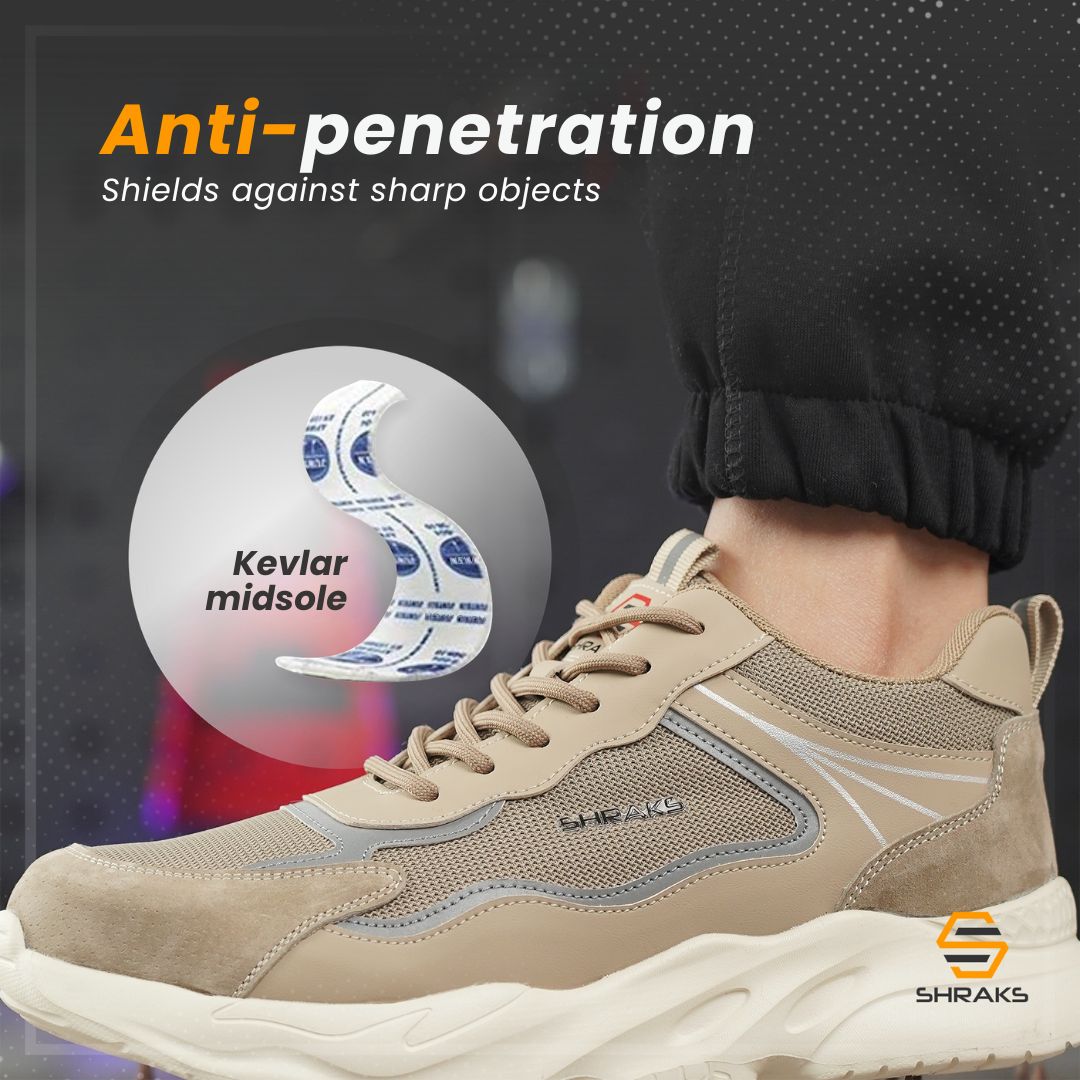
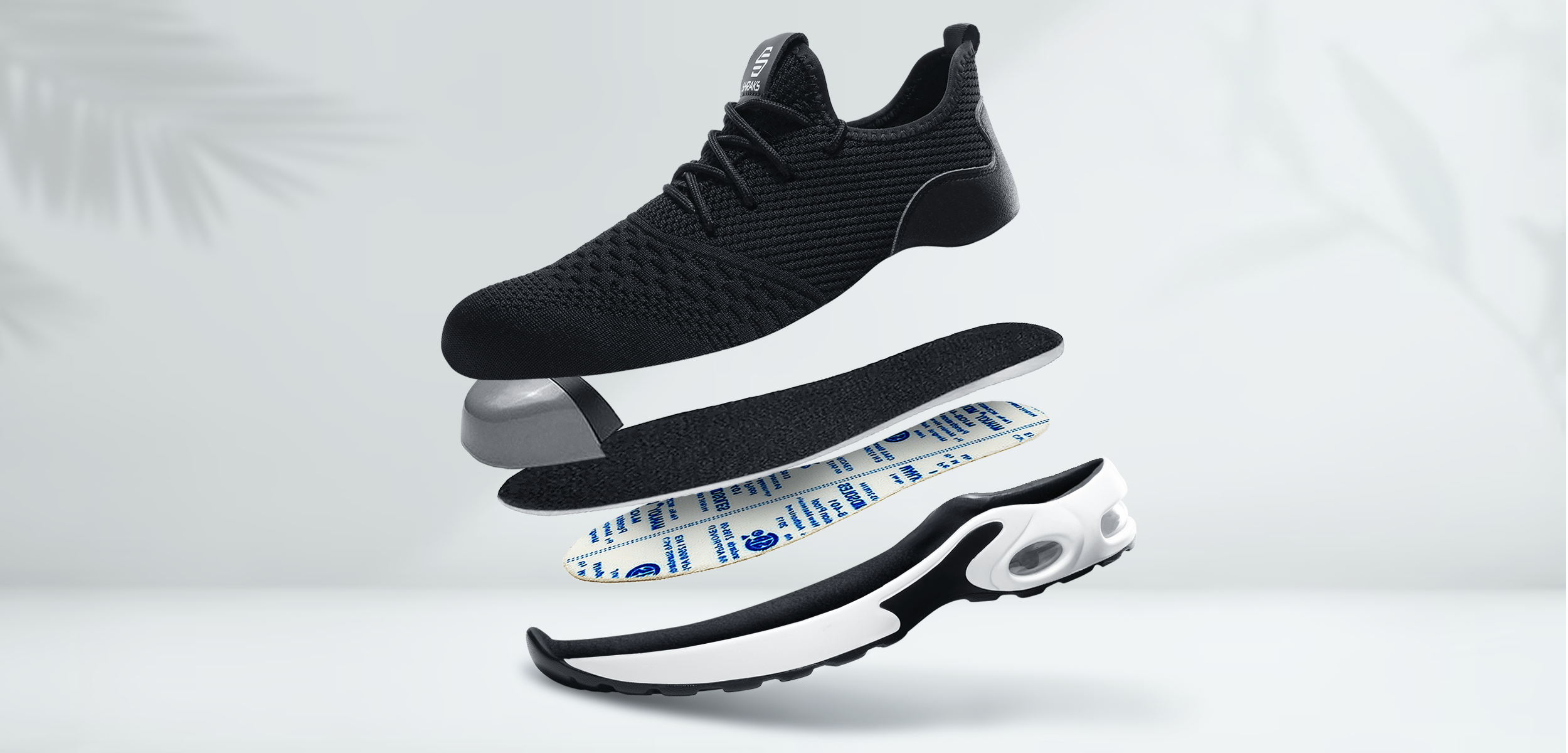
- S1P: S1 plus puncture resistance (e.g., Kevlar inlay). Ideal for dry zones with potential floor hazards. Details on the S1P standard show why many models are safe, light and breathable at once.
- S2: Like S1, plus limited water absorption of the upper. For damp environments without major floor hazards.
- S3: S2 plus puncture resistance and a profiled outsole. The right choice for construction, outdoors, warehousing and logistics – here you’ll often find comfortable S3 safety shoes for women and men.
Tip: SB/SBP indicate basic protection with optional puncture resistance. If you work outdoors a lot, choose S3. For lighter indoor tasks, S1P models are often the most comfortable, breathable option.
Cushioning, soles and slip resistance on the job
The midsole determines how soft and stable a shoe feels. Materials like EVA or PU deliver balanced cushioning with enough rebound so you don’t “sink” into the shoe. Continuous cushioning under forefoot and heel noticeably eases tendons and ligaments – crucial for long distances on concrete or tiles.
Slip resistance is essential. A grippy outsole with suitable tread and rubber compound keeps you secure on wet steel, oily kitchen floors or smooth ramps. Check slip ratings according to the standard. In practice, a flexible sole increases ground contact and thus grip, as long as the tread doesn’t clog.
Puncture protection (e.g., Kevlar) shields against nails and shards, staying lighter and more flexible than steel. For sensitive areas, antistatic or ESD features ensure controlled discharge – comfortable ESD shoes combine electronics protection with a pleasantly cushioned feel.
Bottom line: cushioning against fatigue, flex for a natural stride, grip to prevent slips. If this trio is right, safety shoes feel as comfortable as your favorite sneakers day to day.
Light and breathable vs. waterproof and robust
Lightweight, comfortable safety shoes with breathable textile panels excel in heat, indoor jobs and high step counts. They dry faster, keep the climate stable and save energy with every step. For maximum airflow with toe protection, breathable safety shoes are a solid pick. For a quick overview of especially light models, see our selection of light safety shoes. Waterproof or water-repellent models with tougher uppers shine in rain, dirt and rough terrain. Ask yourself: do I need daily moisture protection or more climate comfort? For versatility, consider a breathable pair for dry days and an S3 model for outdoors.
Industries and use cases: quick recommendations
- Warehousing & logistics: Comfortable S3 work shoes with slip-resistant soles and flexible cushioning. Prefer lightweight builds if you walk many kilometers.
- Construction & trades: S3 with puncture protection and toe cap. Robust uppers yet enough forefoot flex for ladders and kneeling tasks.
- Kitchen & hospitality: Prioritize slip resistance and easy-care materials. Lightweight, comfortable work shoes with solid cushioning reduce fatigue on tile floors.
- Care & clinics: Breathable, light, cushioned, possibly ESD. Sporty, comfortable work shoes suit women and men and wipe clean easily.
- Electrical/ESD: Comfortable ESD safety shoes with reliable discharge and a soft midsole for long standing.
- Retail/service: Lightweight, comfortable work shoes with a sneaker look, slip-resistant and cushioned for all-day wear.
Buying checklist: how to find the most comfortable safety shoes
- Check fit: Try on in the afternoon, wear work socks, test heel lock, ensure toe room.
- Assess cushioning: Roll through several steps on hard flooring. Shoes should absorb softly yet guide stably.
- Check flexibility: Forefoot should bend easily, midfoot stay stable. No creasing at pressure points.
- Consider climate: Breathable uppers for warm areas, water-repellent options for outdoors.
- Test slip resistance realistically: If possible, simulate smooth tiles, metal ramps or wet areas.
- Use insoles: With Shraks orthopedic insoles you can tailor support and comfort individually.
- Use service: Shraks offers fast delivery, free shipping from €50 and 60-day returns – ideal for risk-free try-ons.
Comfort meets style: examples from Shraks
Shraks stands for comfortable safety shoes that look and feel like sneakers – with certified safety under EN ISO 20345. Want a curated selection focused on comfort? Explore our comfortable work sneakers.
- Shraks Moon: Airy and comfortable with breathable material and steel toe cap – ideal if you want lightweight, comfortable safety shoes for everyday use.
- Shraks Moda: Stylish look, Kevlar puncture plate and slip-resistant sole for confident traction.
- Shraks Venu: S1P-certified with antistatic properties – a sporty solution for dry indoor areas.
- Shraks Stride and Nova: Sneaker-inspired models combining comfort, stability and safety, suitable for women and men.
All models rely on quality materials, anti-slip outsoles and smart cushioning. With Shraks orthopedic insoles you can further tailor support and comfort to your feet.
Frequently asked questions
Which work shoes are the most comfortable?
The most comfortable safety shoes combine a good fit, balanced cushioning, forefoot flex and slip-resistant soles. Lightweight, comfortable work shoes with breathable uppers often feel best. Try two sizes and use insoles to fine-tune comfort.
Which brand makes the most comfortable shoes?
It depends on your feet. Brands like Shraks focus on sneaker-like comfort with EN ISO 20345 protection and offer lightweight, comfortable safety shoes for women and men. Last shape, cushioning and use case matter most – test models like Shraks Moon, Moda or Venu in daily wear.
Which shoes are comfortable for work?
For dry indoor areas, comfortable S1P safety shoes with breathable uppers are top. Outdoors or on construction sites, S3 with puncture plate and lugged sole is the safer, more comfortable choice. Look for soft cushioning, slip resistance and ample toe room.
In which shoes won’t my feet hurt?
Shoes with the right width, stable-soft cushioning and a flexible sole prevent pressure and fatigue. A removable footbed is ideal for orthotics. If you stand or walk a lot, choose lightweight models with breathable uppers and reliable slip resistance. Find more practical tips in our 7 tips against foot pain at work.

Leave a comment
This site is protected by hCaptcha and the hCaptcha Privacy Policy and Terms of Service apply.